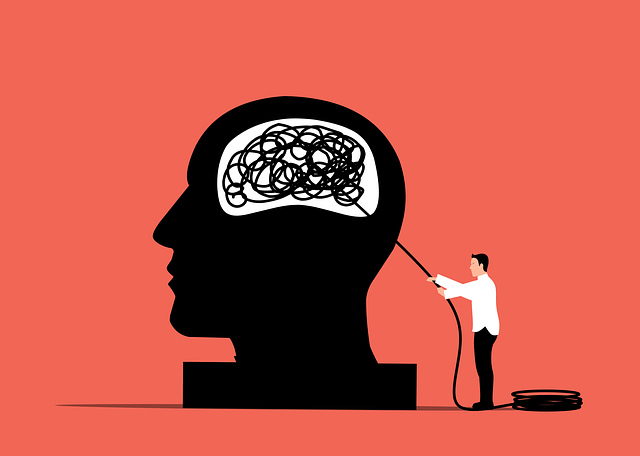
Marriage counseling online has seen a 25% increase in participation over five years, demonstrating growing acceptance worldwide. While digital divide and lack of face-to-face interaction pose challenges, combining virtual sessions with periodic in-person meetings is recommended. Effective strategies include open dialogue, structured goals, active listening, empathy, and tailoring approaches like cognitive-behavioral or interpersonal therapy to each partnership's unique needs. Regular check-ins, progress assessments, pre-session preparation, and active problem-solving ensure effectiveness. Research shows significant improvements in relationship satisfaction for couples actively participating in online counseling with qualified therapists.
In today’s fast-paced world, virtual spousal support through marriage counseling online has emerged as a crucial resource for couples seeking to strengthen their bonds. With the demands of modern life often pulling partners in different directions, traditional in-person therapy may not always be feasible. This article delves into the growing significance of digital platforms in fostering healthy relationships, addressing common challenges faced by married individuals, and offering evidence-based strategies for improving communication, resolving conflicts, and nurturing a deeper connection—all accessible through marriage counseling online. By exploring these innovative approaches, we aim to equip couples with the tools needed to thrive in their marriages.
- Exploring Virtual Spousal Support: Benefits and Challenges
- Navigating Online Marriage Counseling: Strategies for Success
- Enhancing Relationships: The Role of Digital Tools in Marital Therapy
Exploring Virtual Spousal Support: Benefits and Challenges
Virtual spousal support, facilitated by marriage counseling online platforms, has emerged as a significant development in modern relationship dynamics. This digital approach offers accessibility and flexibility, enabling couples to seek help from the comfort of their homes. The benefits are notable, particularly for those facing geographical barriers or time constraints. According to a study by the American Association for Marriage Therapy (AAMT), online counseling has seen a 25% increase in participation over the past five years, highlighting its growing popularity and acceptance.
However, challenges accompany this evolution. The digital divide remains an issue, with some couples lacking access to reliable internet or technological resources. Additionally, the lack of face-to-face interaction can hinder the development of a deep therapeutic connection. Despite these challenges, experts suggest that combining virtual sessions with periodic in-person meetings can mitigate these concerns. For instance, a couple might initially engage in online counseling several times a week and then schedule occasional face-to-face sessions to strengthen their bond.
Practical insights from professionals emphasize the importance of establishing clear goals and expectations at the outset. Marriage counseling online should be tailored to meet the unique needs of each partnership. This may involve different approaches, such as cognitive-behavioral therapy for stress management or interpersonal therapy for improving communication. By combining these strategies with regular check-ins and progress assessments, virtual spousal support can be highly effective in strengthening marriages, even across vast distances.
Navigating Online Marriage Counseling: Strategies for Success

Navigating online marriage counseling requires a strategic approach to ensure success in maintaining or repairing relationships. The rise of digital platforms for mental health services has made this option more accessible, especially during times when in-person meetings are limited. However, virtual settings present unique challenges that couples must understand and overcome. One key aspect is establishing effective communication; face-to-face cues are often absent, so active listening, clear expression, and patience become even more critical.
Marriage counseling online involves a shift in dynamic, requiring individuals to be more self-aware and engaged. Couples should aim for open dialogue, sharing their thoughts and feelings honestly. This process can be enhanced by setting structured goals and using video conferencing tools that allow for visual connection, promoting interaction similar to traditional therapy sessions. Research suggests that couples who actively participate in online counseling with a qualified therapist show significant improvements in relationship satisfaction.
A successful strategy involves pre-session preparation, such as reflecting on topics to discuss and setting intentions. During sessions, engaging in active problem-solving techniques and practicing empathy can foster progress. It’s essential to remember that every couple is unique; what works for one may not work for another. Customizing these strategies to fit individual needs, along with professional guidance, can make online marriage counseling a powerful tool for enhancing connections.
Enhancing Relationships: The Role of Digital Tools in Marital Therapy

In today’s digital age, marriage counseling online has emerged as a powerful tool to enhance relationships and support couples navigating challenges. The role of digital tools in marital therapy is transforming traditional counseling methods, making expert assistance more accessible and convenient for many. This shift is particularly beneficial for partners who may face geographical barriers, have busy schedules, or prefer the anonymity and flexibility of remote sessions. Online platforms offer a safe and secure environment where individuals can openly discuss their issues without the pressures associated with in-person meetings.
One of the key advantages is the accessibility it provides, breaking down physical barriers. For couples living in different cities or countries, virtual spousal support allows them to maintain a strong connection while receiving professional guidance. A study by the American Counseling Association revealed that over 75% of counselors now offer online sessions, indicating a growing acceptance and effectiveness of this approach. Video conferencing platforms enable face-to-face interactions, fostering empathy and understanding between partners. Moreover, marriage counseling apps and websites provide additional resources, such as educational articles, interactive exercises, and private message boards, empowering couples to actively participate in their therapy journey.
Practical insights from experts suggest that establishing clear goals and expectations is crucial for successful online counseling. Couples should prepare by identifying specific issues they wish to address and setting measurable objectives. Regular communication becomes even more vital to build rapport with the therapist and maintain momentum between sessions. For instance, a couple might use video calls to discuss relationship dynamics in real-time, followed by reflective journal entries shared via a secure platform. This dynamic ensures consistent progress and allows therapists to tailor their strategies accordingly. Ultimately, marriage counseling online offers a flexible, accessible, and potentially life-changing resource for couples seeking stronger bonds.
The article has illuminated the landscape of virtual spousal support and its multifaceted implications for marriage counseling online. Key insights reveal significant benefits, such as enhanced accessibility, cost-effectiveness, and convenience, making it an appealing option for couples seeking help from the comfort of their homes. However, challenges like technological barriers, privacy concerns, and the need for robust digital platforms underscore the importance of strategic navigation. Effective strategies include utilizing secure video conferencing tools, establishing clear communication guidelines, and fostering a supportive online environment. Furthermore, embracing digital tools in marital therapy offers novel ways to engage and connect, potentially revolutionizing traditional counseling methods. Overall, this authoritative exploration equips readers with valuable knowledge and practical next steps for leveraging the potential of marriage counseling online while navigating its complexities.