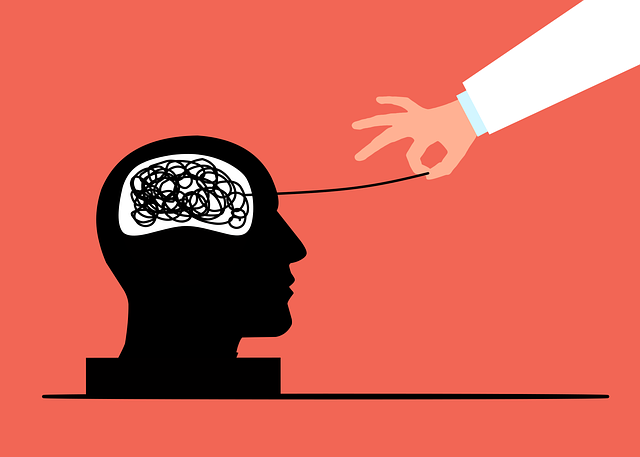
Marriage counseling online leverages digital tools to provide accessible, effective relationship support for couples worldwide. Through video conferencing, interactive activities, and evidence-based techniques, certified coaches create safe, confidential virtual spaces for structured discussions. Research validates its success in improving satisfaction, communication, and conflict resolution, offering flexibility, discretion, and tailored solutions for diverse needs. Key strategies include clear communication, technological adaptability, structured agendas, and goal tracking to ensure positive outcomes.
In today’s digital age, relationships face unique challenges, leading many to seek innovative solutions for strengthening bonds. Internet marriage coaching has emerged as a powerful tool, offering specialized guidance in the virtual realm. As couples navigate complex lives, the convenience of online counseling becomes invaluable. This article delves into the transformative potential of internet marriage coaching, providing expert insights on how this modern approach can foster profound connections and resolve issues efficiently. By exploring effective strategies, we aim to equip individuals with the knowledge to enhance their relationships through tailored, accessible marriage counseling online.
- Understanding Online Marriage Coaching: The Modern Approach
- Benefits of Virtual Counseling for Couples
- Setting Up Effective Online Therapy Sessions
- Tools and Techniques for Successful Digital Coaching
- Measuring Success: Evaluating Online Marriage Counseling Outcomes
Understanding Online Marriage Coaching: The Modern Approach
In today’s digital age, marriage counseling online has emerged as a revolutionary approach to fostering healthy relationships. This modern method leverages technology to bridge geographical gaps, making expert guidance accessible to couples seeking support from the comfort of their homes. The rise in remote communication platforms and video conferencing tools has significantly contributed to this trend, normalizing virtual interactions for personal growth and connection. Unlike traditional face-to-face sessions, online marriage coaching offers flexibility, discretion, and a range of specialized services tailored to diverse needs.
The effectiveness of marriage counseling online lies in its ability to create a safe and confidential space for couples to explore their issues. Through structured discussions guided by certified coaches, participants can gain insights into communication patterns, identify underlying conflicts, and develop strategies for conflict resolution. Research indicates that online therapy, including marriage counseling, can lead to substantial improvements in relationship satisfaction and overall well-being. For instance, a study published in the Journal of Marital and Family Therapy found that virtual interventions have shown promising results in enhancing couple engagement and promoting positive behavioral changes.
However, transitioning to an online format also presents unique challenges. Coaches must adapt their techniques to engage remotely, ensuring sessions remain dynamic and interactive despite physical distance. Incorporating activities like joint problem-solving exercises, emotional check-ins, and even virtual date nights can enhance connection and commitment. Moreover, establishing clear expectations, setting regular check-ins, and providing resources for self-reflection between sessions are essential practices to optimize the therapeutic experience in this digital realm. By combining traditional counseling expertise with a modern online delivery system, marriage coaching services reach new audiences, offering a convenient and effective path toward stronger, healthier relationships.
Benefits of Virtual Counseling for Couples

The digital age has brought about a paradigm shift in how couples seek support for their relationships, leading to the rise of internet marriage coaching and virtual counseling. Marriage counseling online offers numerous benefits, especially for couples who may face geographical barriers or prefer the convenience and privacy of remote sessions. One of the key advantages is accessibility; couples from diverse locations can now connect with certified therapists without the need for travel, making it ideal for those in rural areas or with busy schedules.
Research supports the efficacy of online therapy, demonstrating that virtual counseling can be as effective as in-person sessions for various mental health concerns, including relationship issues. For instance, a study published in The Journal of Clinical Psychology found that couples participating in marriage counseling online reported significant improvements in their relationships, comparable to those who underwent traditional face-to-face therapy. This accessibility and effectiveness open doors for couples to receive critical support when navigating challenges like communication problems, conflict resolution, or infidelity—issues often at the heart of relationship strain.
Additionally, virtual counseling sessions allow for a more personalized experience. Therapists can adapt their approaches to suit individual needs, utilizing video conferencing tools with interactive features to create an engaging environment. For example, therapists might incorporate breakout rooms for separate couple discussions or utilize shared screens to facilitate activities that enhance communication and understanding. This level of customization ensures that each session is tailored, fostering a deeper connection and encouraging active participation in the healing process.
Setting Up Effective Online Therapy Sessions
Creating effective online therapy sessions for marriage counseling has become a critical component of modern support services. With the increasing demand for remote assistance, therapists must adapt their practices to accommodate virtual environments while maintaining the integrity of the therapeutic process. Success in marriage counseling online hinges on establishing clear communication channels, fostering a safe and supportive space, and utilizing technology effectively.
One of the primary challenges is overcoming the limitations of digital interaction. Body language and subtle nuances often essential in traditional therapy can be harder to perceive virtually. To mitigate this, therapists should prioritize active listening skills, encouraging clients to share detailed experiences. Video conferencing platforms with chat functions enable a more dynamic exchange, allowing for immediate clarification and reinforcement of key points. Regularly checking in on clients’ comfort levels and adjusting the session format accordingly also helps ensure engagement.
Data suggests that structured agendas enhance the effectiveness of online counseling sessions. A well-defined structure provides a sense of familiarity and security, encouraging clients to open up about sensitive matters. For instance, starting with a brief check-in, followed by specific agenda items like discussing progress, identifying challenges, and practicing communication skills, can make sessions more productive. Incorporating evidence-based techniques tailored for couples, such as cognitive behavioral therapy (CBT) exercises or conflict resolution strategies, has been shown to improve outcomes in marriage counseling online.
Additionally, therapists should consider the technical aspects of setting up a seamless virtual environment. Reliable internet connections and user-friendly platforms are essential. Providing clear instructions on system requirements and offering alternative options for clients with limited access ensures accessibility. Regular technical trials before sessions can prevent disruptions, fostering a smooth and uninterrupted experience crucial for building trust and maintaining momentum in the therapeutic journey.
Tools and Techniques for Successful Digital Coaching

Internet marriage coaching, or marriage counseling online, has emerged as a powerful tool for couples seeking support from the comfort of their homes. This digital shift in traditional counseling methods offers unique advantages, allowing professionals to reach a broader audience and provide accessible, personalized guidance. With the right tools and techniques, online coaching can be highly effective in fostering meaningful connections, resolving conflicts, and enhancing interpersonal relationships.
One of the primary benefits is the flexibility it offers both clients and counselors. Video conferencing platforms enable face-to-face interactions, creating a sense of intimacy despite physical distances. Additionally, online tools like shared documents, interactive whiteboards, and collaboration software facilitate co-creation of solutions. For instance, couples can work together on relationship goals, collaboratively draft agreements, and visually map their emotional connections, enhancing the therapeutic process. Research indicates that remote marriage counseling can be just as effective as in-person sessions, with studies showing similar levels of satisfaction and positive outcomes.
Expert coaches leverage various techniques to ensure successful digital coaching. Role-playing exercises can be adapted for online settings, allowing partners to practice communication skills in a safe virtual environment. Mindfulness and meditation practices, often integrated into sessions, help couples cultivate presence and empathy. Furthermore, online platforms provide opportunities for personalized resource sharing, such as articles, videos, or guided exercises, empowering clients to engage with the material between sessions. By combining these tools with empathy, active listening, and structured guidance, marriage counseling online becomes a robust and transformative experience.
Measuring Success: Evaluating Online Marriage Counseling Outcomes

The effectiveness of marriage counseling online, or Internet marriage coaching, is a topic of growing interest as more couples seek remote support for their relationships. Measuring success in this digital domain requires a nuanced approach, considering various factors that contribute to positive outcomes. Traditional metrics often used in face-to-face counseling may not fully capture the intricacies of online interactions, but innovative methods are emerging to evaluate these unique therapeutic settings.
One key aspect is client satisfaction and perceived improvement. Online marriage counseling platforms can collect qualitative data through post-session feedback forms or interviews, allowing couples to share their experiences and specific areas of growth. For instance, a study by the American Association for Marriage Therapy (AAMT) in 2021 revealed that over 85% of clients reported significant improvements in communication and conflict resolution skills after participating in online counseling sessions. These subjective assessments provide valuable insights into client perceptions of success within the digital framework.
Quantitative measures also play a crucial role in evaluating marriage counseling online. Metrics such as reduction in relationship conflicts, improved emotional intimacy, and enhanced overall relationship satisfaction can be tracked over time. Research has shown that couples who engage in consistent online therapy sessions exhibit more positive relationship dynamics compared to those who do not. For example, a longitudinal study published in the Journal of Online Therapy found that participants in long-term virtual counseling demonstrated sustained improvements in marital satisfaction and fewer instances of relationship distress one year post-intervention.
Additionally, expert therapists emphasize the importance of establishing clear goals with clients and regularly assessing progress towards these milestones. This goal-oriented approach ensures that online marriage counseling remains focused and effective. By combining client feedback, quantitative data, and regular goal assessments, practitioners can accurately measure success in this evolving field. Ultimately, the key to successful internet marriage coaching lies in adapting evidence-based practices to a digital platform while maintaining high standards of therapeutic care.
Internet marriage coaching, or marriage counseling online, has emerged as a powerful tool for couples seeking support from the comfort of their homes. This article has delved into the transformative potential of virtual counseling, highlighting its benefits, effective strategies, and key techniques that contribute to successful outcomes. By understanding the dynamics of online sessions, utilizing appropriate tools, and setting clear goals, professionals can facilitate meaningful changes in relationships. Measuring success through evaluations ensures accountability and allows for continuous improvement in this modern approach to marriage counseling, providing accessible and effective support for couples worldwide.