
Marriage counseling online offers unparalleled accessibility, eliminating travel costs and time while maintaining equal effectiveness to traditional methods. Challenges include lack of nonverbal cues, technical difficulties, and keeping emotional connections via video. Success requires structured sessions with clear expectations, creative activities, privacy tools, and active listening. High satisfaction rates result from dedicated session time in distraction-free environments, guided by therapists encouraging open dialogue. This approach revolutionizes care access, providing critical support for relationships in the digital age.
In today’s fast-paced world, maintaining fulfilling relationships can feel like navigating a labyrinthine tapestry of challenges. The pandemic has further accelerated the shift towards virtual interaction, including intimate connections. Thus, remote love therapy emerges as a crucial, modern solution for couples seeking improved communication and deeper bonds—especially in marriage counseling online. Despite the digital setting, this approach leverages evidence-based techniques to foster genuine connection and enhance interpersonal skills. This article delves into the effectiveness of remote love therapy, providing valuable insights for both seasoned therapists and those exploring innovative ways to strengthen their relationships.
- Understanding Remote Love Therapy: Benefits and Challenges
- Setting Up Online Marriage Counseling: Tools and Best Practices
- Effective Techniques for Virtual Couples Therapy Sessions
Understanding Remote Love Therapy: Benefits and Challenges
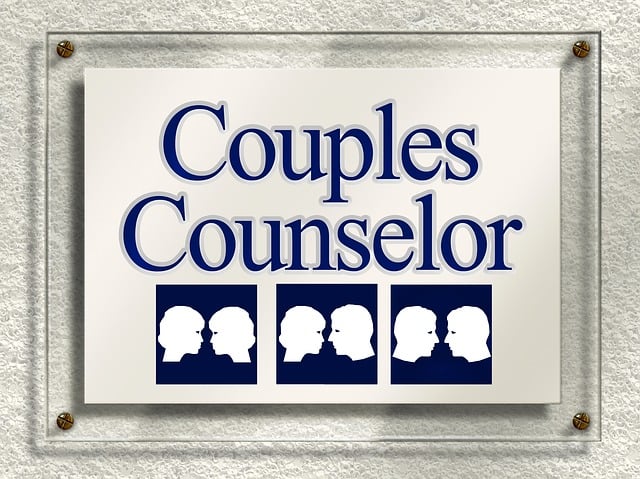
Remote love therapy, or online marriage counseling, has emerged as a viable alternative to traditional face-to-face sessions, offering couples unprecedented accessibility during the digital age. This innovative approach leverages technology to bridge geographical gaps, enabling partners separated by distance to seek support for their relationships. With the global pandemic further normalizing remote interactions, understanding its benefits and challenges is more crucial than ever.
The advantages of remote love therapy are substantial. It eliminates barriers such as travel time and costs, making counseling accessible to couples who might otherwise struggle to find the time or resources for in-person sessions. Online marriage counseling allows partners to engage in therapy from the comfort of their homes, fostering a sense of safety and openness that can facilitate deeper discussions. A study by the American Psychological Association found that online therapy was equally effective as traditional methods, with participants reporting significant improvements in relationship satisfaction and communication skills. Moreover, remote sessions often include convenient scheduling options, accommodating busy schedules and promoting consistent attendance.
Despite its many benefits, remote love therapy presents unique challenges. The lack of face-to-face interaction can hinder nonverbal cues, which account for a substantial portion of communication. Couples may struggle to convey emotions or maintain eye contact via video, potentially impacting the therapist’s ability to assess and address dynamic relationship issues. Additionally, technical difficulties such as poor internet connections or software glitches can introduce distractions and disrupt therapy sessions, requiring therapists to adapt their strategies accordingly. Addressing these challenges often involves therapists employing creative techniques, such as encouraging active listening exercises or utilizing multimedia tools to facilitate engagement.
To maximize the success of remote love therapy, therapists must prioritize clear communication about expectations and boundaries. Establishing a structured routine and ensuring consistent access to technology are essential for maintaining momentum between sessions. Therapists should also adapt their approaches, incorporating creative activities or assignments that can be completed remotely while still fostering meaningful reflection and connection. By embracing these strategies, online marriage counseling can become an empowering tool for couples seeking to strengthen their relationships, even across vast distances.
Setting Up Online Marriage Counseling: Tools and Best Practices

Providing effective marriage counseling online requires a thoughtful approach to leverage technology while maintaining the core elements of successful therapy. First, ensure secure and user-friendly platforms are chosen; encrypted video conferencing tools like Zoom or specialized counseling software with privacy features are essential for protecting sensitive information. Creating a virtual environment that feels safe and comforting is crucial for establishing trust between clients and therapists.
Effective online sessions often mirror in-person dynamics, focusing on active listening, empathy, and open communication. Therapists should encourage couples to establish clear video connections, minimize distractions, and maintain regular attendance. Incorporating digital tools like shared documents or interactive whiteboards can enhance engagement during sessions. For instance, some platforms allow co-viewing of resources, enabling couples to discuss and reflect together in real-time.
Best practices include setting clear expectations from the outset, outlining session structures, and agreeing on goals. Therapists should provide guidance on effective online communication, such as using video on calls whenever possible and maintaining eye contact for better connection. Regular debriefs between sessions can help couples process insights and practice new skills. Data suggests that when delivered thoughtfully, marriage counseling online can be just as successful as in-person therapy, with studies showing comparable outcomes in couple satisfaction and relationship improvement.
Effective Techniques for Virtual Couples Therapy Sessions

In the realm of marriage counseling online, virtual couples therapy has emerged as a powerful tool to bridge the gap between partners, regardless of physical distance. Effective techniques for these sessions go beyond simple video conferencing, employing technology to facilitate deeper connection and understanding. One proven method is structured agenda-based sessions where therapists guide conversations with clearly defined objectives, ensuring each partner actively participates and feels heard. For instance, a session might focus on improving communication by teaching specific listening skills or setting shared goals, followed by actionable steps to implement between meetings.
Data supports the efficacy of virtual platforms; studies show high satisfaction rates among couples who engage in online therapy. This medium allows for increased accessibility, particularly for individuals with busy schedules or those living in remote areas. Additionally, digital tools like secure messaging apps and interactive whiteboards enhance engagement during sessions. Therapists can pose thought-provoking questions, encourage visual representations of emotions, or even facilitate joint activities like virtual art therapy to strengthen bonds.
Practical insights suggest that successful virtual couples therapy requires a combination of strong interpersonal skills from therapists and self-awareness from partners. Therapists should be adept at reading non-verbal cues from video feeds and encouraging open dialogue. Meanwhile, couples must commit to active participation, setting aside dedicated time for sessions and fostering a safe digital environment free from distractions or interruptions. By integrating these techniques, marriage counseling online can prove just as effective—if not more so—than traditional in-person therapy, revolutionizing access to critical support for relationships in today’s digital age.
Remote love therapy, as showcased by online marriage counseling, presents a powerful and accessible means to support couples facing challenges. Key insights include the benefits of increased accessibility, reduced stigma, and flexibility in scheduling. However, it also introduces unique challenges such as technological barriers and the need for enhanced communication skills. To leverage this growing trend effectively, therapists must adopt best practices like ensuring secure video platforms, establishing clear boundaries, and employing tailored virtual therapy techniques. By integrating these strategies, professionals can provide high-quality care, fostering meaningful connections and promoting positive outcomes in marriage counseling online.